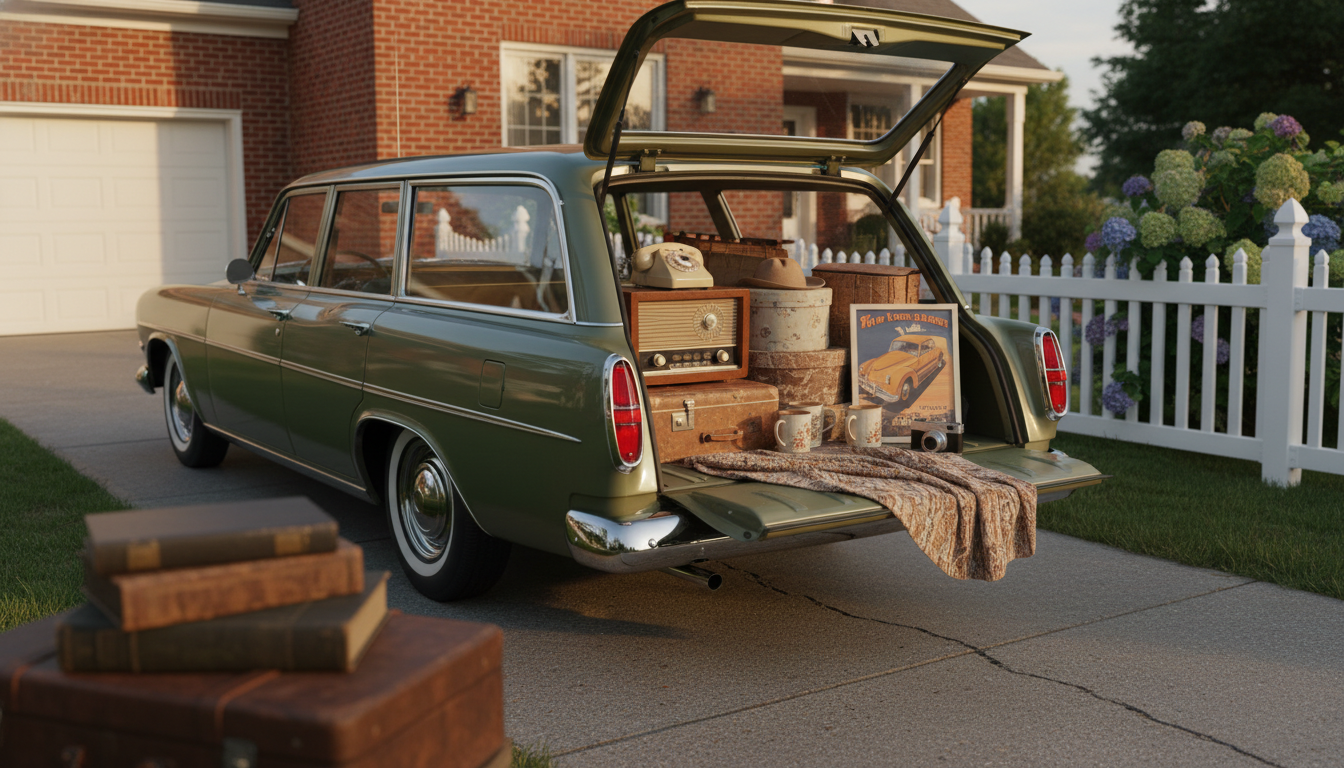
Vintage style design is a look that draws from real, recognizable aesthetics of the past—typically the 1920s through the 1980s—and translates them into spaces, clothing, graphics, and products that feel timeworn, familiar, and character-rich. Instead of chasing what’s newest, it highlights pieces and details that look like they’ve already lived a life: warm patinas, classic silhouettes, heritage materials, and small imperfections that add charm.
At its core, vintage style isn’t “old stuff everywhere.” It’s a curated blend of era-inspired shapes and textures that creates a sense of story. You’ll often see design cues like rounded corners, antique brass hardware, stitched leather, waxed canvas, plaid or houndstooth patterns, and muted color palettes (think tobacco brown, olive, cream, navy, and oxblood). The goal is a timeless feel—nostalgic without looking like a museum display.
Authentic materials: Leather, canvas, wool, denim, and solid woods tend to show age gracefully, which suits the vintage sensibility.
Classic construction: Details like buckles, rivets, contrast stitching, and structured forms echo older manufacturing traditions.
Softened finishes: Burnished edges, distressed surfaces, and brushed metals help create a “been-around” warmth.
Functional heritage: Many vintage-inspired pieces borrow from workwear and travel gear—designs originally made for durability and daily use.
Vintage usually refers to items or styling inspired by a past era (or genuinely from it) with an emphasis on authenticity and craftsmanship.
Retro often means a newer item imitating an older look—sometimes with bolder, more playful nostalgia.
Antique typically describes items 100+ years old, while vintage is usually younger than that.
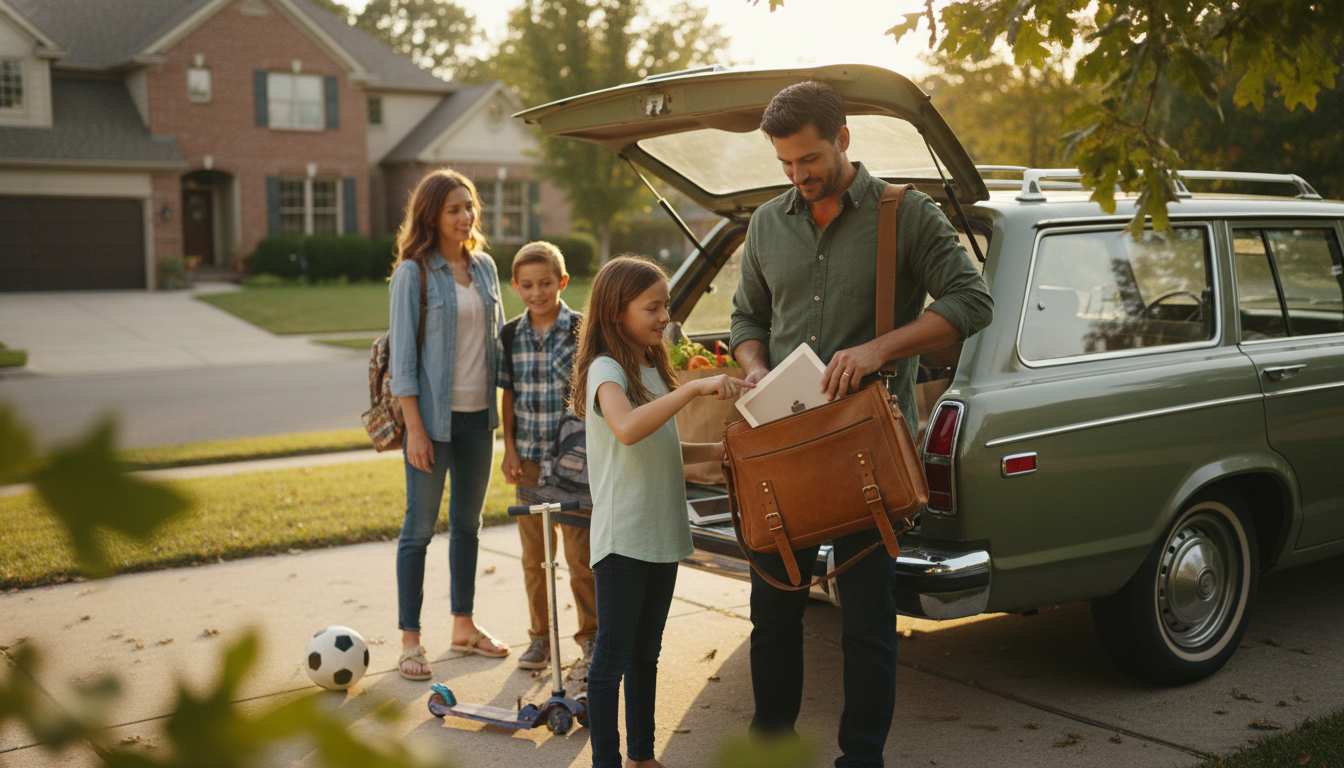
In bags and accessories, vintage style design often looks like heritage travel gear: structured shapes, flap closures, sturdy straps, and materials that develop character over time. For a practical example of how this aesthetic works in a daily carry piece, see this guide to a vintage messenger bag with timeless style and everyday comfort.
Choose a few era-inspired anchor pieces (like a lamp, mirror, or leather chair) and keep the rest of the palette simple. Mixing vintage textures with clean, modern basics helps it feel intentional rather than stuck in the past.







Leave a comment