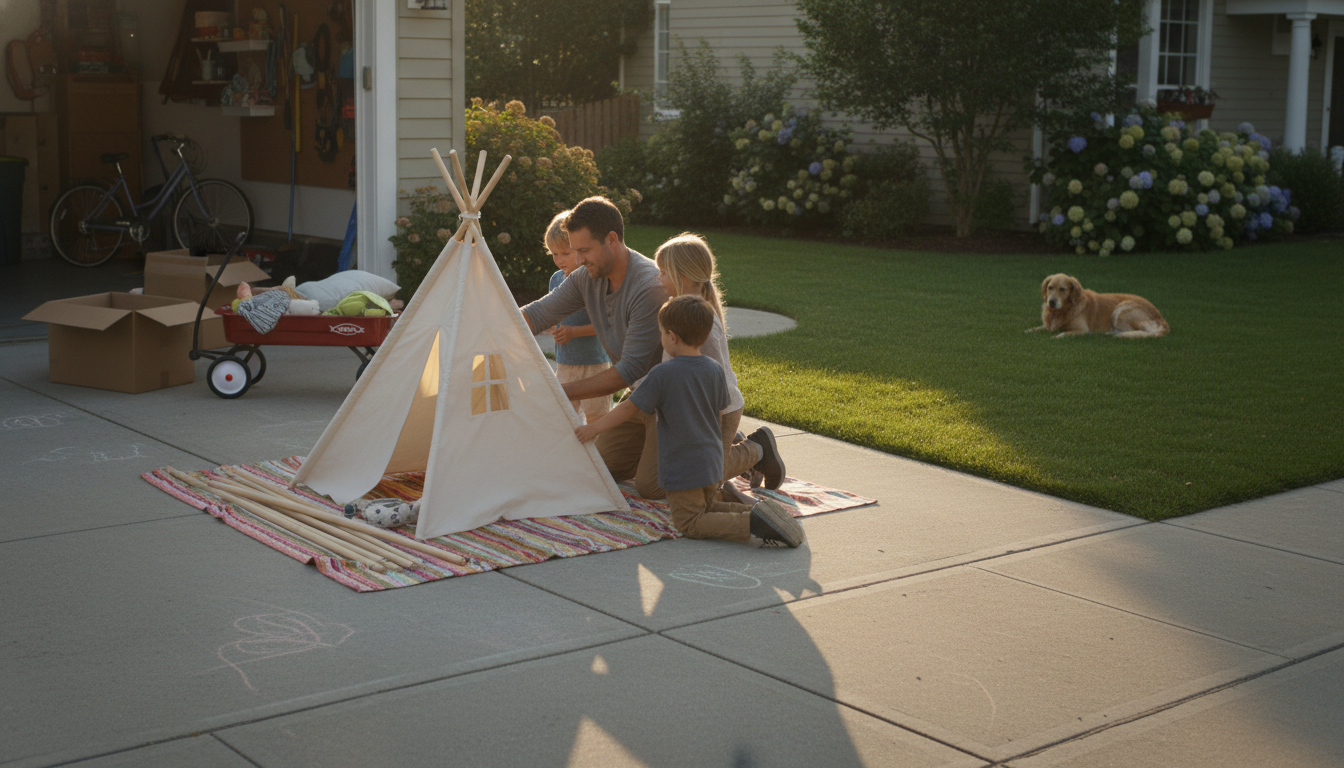
Kids teepees can be worth it when they’re used as more than a cute photo backdrop. A well-made teepee creates a dedicated “kid zone” for quiet time, pretend play, reading, or sensory breaks—without taking over the whole room. For many families, that small, defined space helps kids settle into independent play more easily than they would on an open-floor setup.
The value comes down to frequency of use and durability. If a teepee becomes part of daily routines (a reading nook after school, a calm-down spot before bed, a pretend campsite on weekends), it earns its keep quickly. If it’s used once, then folded up, it’s harder to justify unless storage is easy and the price is low.
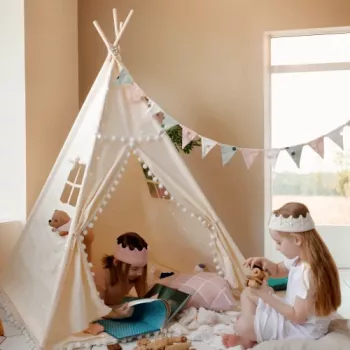
A teepee offers a cozy, semi-enclosed environment that can feel comforting and private. That can support imagination, encourage independent play, and give kids a place to decompress when a room feels busy or loud. It’s also an easy way to make books, plush toys, and puzzles feel “special” by keeping them in one inviting spot.
A teepee may not be worth it if floor space is tight, if the child tends to outgrow play tents quickly, or if the model is flimsy (wobbly poles, thin fabric, weak stitching). It also won’t be a great fit for roughhousing households unless it’s specifically built for stability and repeated setup/takedown.
Look for sturdy poles, tight-fitting connectors, and fabric that won’t tear easily. Make sure the footprint fits the intended corner, and consider whether it can be folded and stored without a hassle. Washability matters, too—kids’ spaces collect crumbs, markers, and mystery smudges fast.
For a deeper breakdown of pros, cons, and what to look for, visit the full guide here: https://charmedempire.shop/are-kids-teepees-worth-it/.
Many kids enjoy teepees from toddler years through early elementary, especially for pretend play and reading. The “best” age depends more on the child’s interests and whether they’ll use it regularly than on a strict age range.








Leave a comment