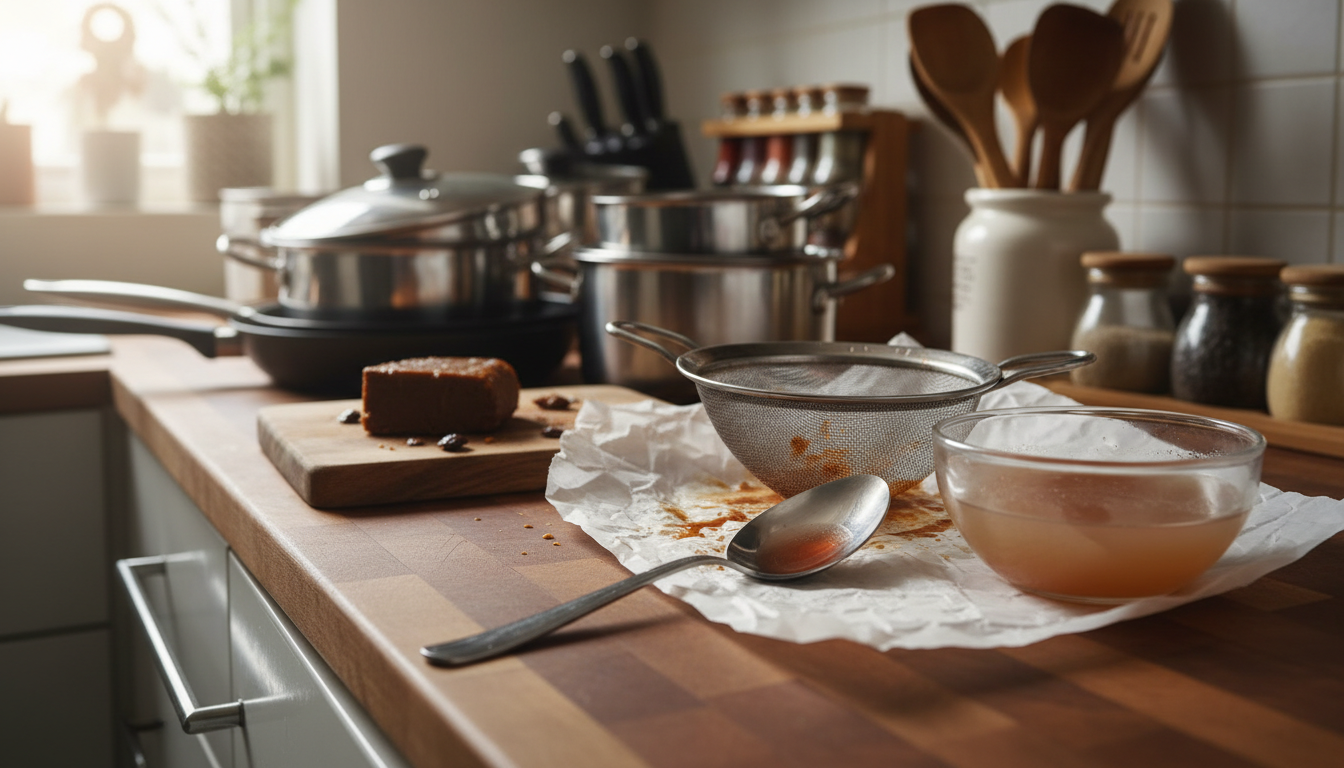
Tamarind is highly acidic, so it can interact with stainless steel under certain conditions, but it usually doesn’t “react” in a dramatic or dangerous way. In normal kitchen use—mixing a quick sauce, simmering briefly, or straining tamarind water—good-quality stainless steel generally holds up well. The bigger concern is prolonged contact: leaving tamarind paste or a tamarind-based marinade sitting in a stainless steel bowl or pot for hours (especially overnight) can increase the chance of dulling, discoloration, or faint metallic notes in delicate recipes.
Stainless steel resists corrosion because it forms a thin, protective chromium oxide layer. Strong acids can slowly stress that protective layer, especially if the steel is lower grade, scratched, or exposed to salt at the same time. Most of the time, any effect is cosmetic (a rainbow tint or cloudy film) and can be removed with gentle cleaning. True pitting corrosion is uncommon with quality stainless, but it’s more likely when acidic ingredients sit for long periods.
For everyday cooking, stainless steel is a practical choice. To minimize issues:
Use stainless for cooking and short holding, but transfer tamarind mixtures to glass or ceramic for long soaks. Avoid storing tamarind-based foods in stainless containers in the fridge. Don’t leave a tamarind sauce to cool overnight in the pot. After cooking, rinse the pan relatively soon and wash with mild dish soap; for stubborn haze, a baking-soda paste or a stainless-safe cleanser can restore shine.
Yes. Higher-grade stainless (often used in well-made kitchen and plumbing products) is generally more resistant to acids and staining. If you’re choosing stainless fixtures for wet environments, build quality matters for longevity and appearance—see the detailed guide here: 360 Swivel Stainless Steel Bathroom Faucet Buying Guide.
Most acidic foods are fine in stainless steel for normal cooking times, but long contact—especially with salt—can cause discoloration or, in rare cases, pitting on lower-quality or scratched surfaces.













Leave a comment