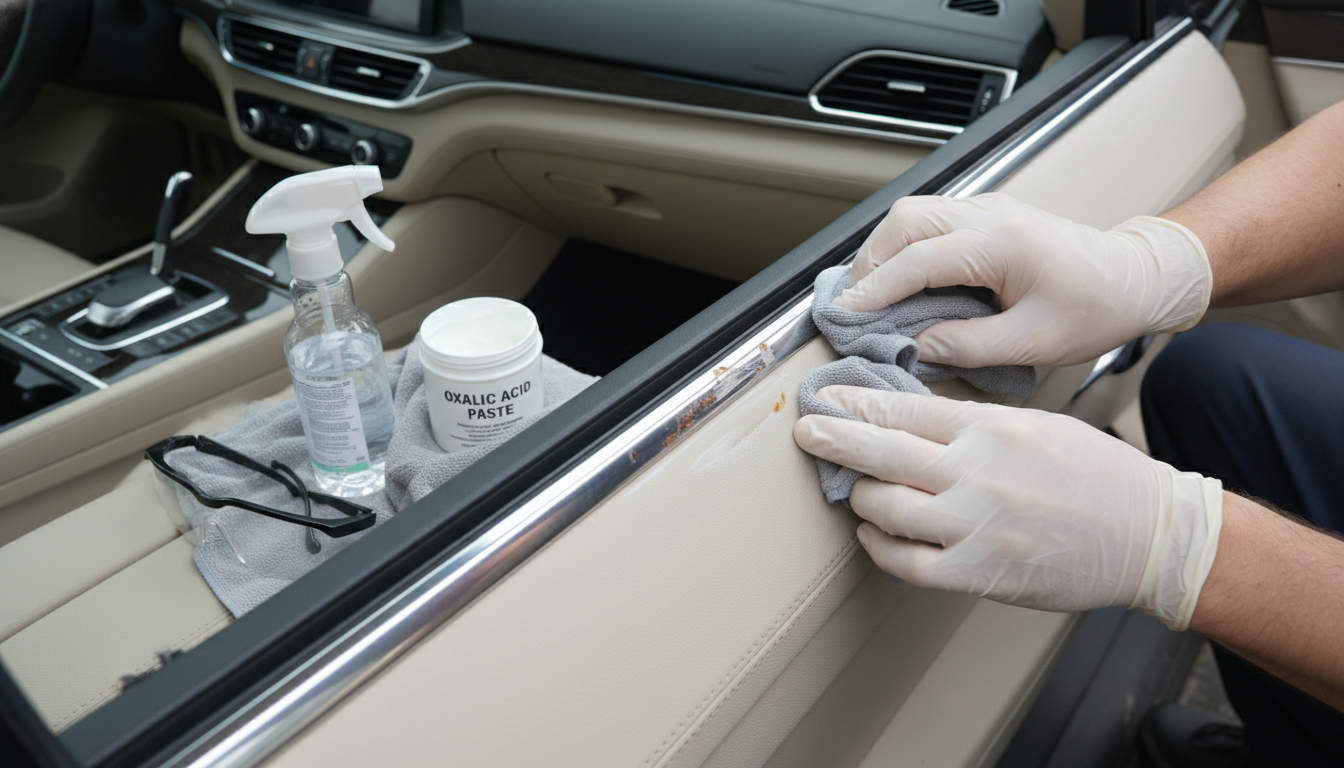
Yes—oxalic acid can be used on stainless steel, but it needs to be handled carefully. It’s commonly used to lift rust staining, mineral discoloration, and dark marks that won’t budge with regular soap-and-water cleaning. The key is choosing the right product (often a cleanser that contains oxalic acid), using the smallest effective amount, and rinsing thoroughly so nothing lingers on the surface.
For most homeowners, a premixed oxalic-acid cleaner is safer and easier than working with raw crystals or concentrated solutions. Follow the label directions precisely, and test first in a small, hidden area—especially on brushed or satin finishes where uneven rubbing can change the look.
Apply the cleaner with a soft sponge or microfiber cloth, then rub gently in the direction of the grain. Let it sit only as long as the product instructs (often a minute or two), then rinse with plenty of clean water and dry immediately with a soft towel to prevent water spots.
Avoid abrasive pads, steel wool, or aggressive scrubbing, which can scratch stainless steel and make future staining more likely. Don’t let oxalic-acid products dry on the surface, and don’t mix them with bleach or other cleaners—chemical reactions can be hazardous and may damage finishes. If the stainless steel is part of a plated fixture (common in bathrooms), confirm the finish type before using any acid-based cleaner.
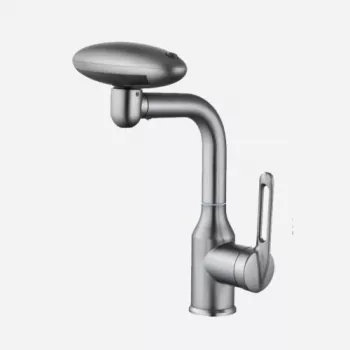
Bathroom and kitchen fixtures often combine stainless components with seals, aerators, and decorative finishes. If you’re shopping for or maintaining a stainless fixture, this guide on choosing and caring for a 360° swivel stainless steel bathroom faucet is a helpful reference: https://charmedempire.shop/guide-360-swivel-stainless-steel-bathroom-faucet-buying-guide/.
It can help with some mineral staining, especially when discoloration is embedded. For routine hard water spots, a gentler option like diluted vinegar or a stainless-safe descaler is often enough.











Leave a comment