
“Eco-friendly” is an adjective that describes something designed to have less impact on the environment. Use it right before a noun (like product, cleaner, material, choice, packaging) or after a linking verb (like is, feels, seems) to describe what something is like.
1) Before a noun: “I’m looking for an eco-friendly cleaner for my kitchen.”
2) After a linking verb: “This cleaning routine is more eco-friendly than the old one.”
3) With a comparison: “Refillable soap options can be more eco-friendly than single-use bottles.”
1) “We switched to eco-friendly dish soap to cut down on harsh chemicals.”
2) “An eco-friendly scrub brush helps reduce waste when you reuse it longer.”
3) “She chose eco-friendly packaging for her small business orders.”
4) “These wipes are marketed as eco-friendly, but I still prefer reusable cloths.”
5) “He made an eco-friendly choice by buying a refill instead of a new container.”
6) “We’re testing an eco-friendly bathroom routine that uses less plastic.”
7) “The most eco-friendly option is usually the one you can reuse.”
8) “I like eco-friendly products that make cleaning quicker, so I waste less water.”
9) “Their eco-friendly mindset shows in how they repair items instead of replacing them.”
10) “An eco-friendly upgrade can be as small as switching to refillable soap.”
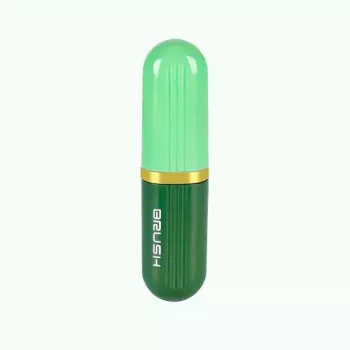
Hyphenate it when it comes before a noun (“eco-friendly cleaner”). When it comes after a verb, the hyphen is still common and acceptable (“the cleaner is eco-friendly”). If you want to connect it to a practical cleaning example, see this guide on a refillable brush setup: 3-in-1 portable cleaning brush with liquid dispenser guide.
Eco-friendly means designed to cause less harm to the environment, often by reducing waste, pollution, or the use of harsh chemicals. It’s commonly used to describe products, habits, and materials.








Leave a comment