
Stainless steel screws are a strong, corrosion-resistant choice for many projects, but they’re not universal. Certain materials, chemicals, and load conditions can cause stainless fasteners to corrode faster, seize during installation, or fail under stress. Knowing when to avoid them helps prevent premature rust, stripped heads, or broken screws.
Stainless steel can pit and corrode in high-chloride exposure, even though it resists everyday rust. Avoid using standard stainless screws in or around saltwater spray, de-icing salts, coastal exterior hardware, or pool and spa areas where chlorine and salt are common. In these cases, consider higher-grade stainless (like 316) or alternative fasteners rated for marine/chemical exposure.
When stainless steel touches aluminum and moisture is present, galvanic corrosion can attack the aluminum. This shows up as white, powdery corrosion around the joint and can weaken parts over time. If stainless screws are required, use insulating washers/sleeves, sealants, or choose fasteners and materials designed to minimize galvanic reaction.
Many stainless screws are not as strong as hardened alloy or carbon steel fasteners. For high-load structural connections, heavy-duty equipment mounting, or applications with high vibration where tensile strength is critical, stainless may stretch or shear sooner. Use fasteners with an appropriate strength grade for the load and safety requirements.
Stainless steel is prone to galling (thread seizing), especially in stainless-to-stainless connections or when driven quickly with power tools. If the screw locks up mid-install, the head can strip or snap. Anti-seize compound, slower driving, and mixed-metal pairing can help, but in production-style fastening it may be better to use a coating or different material designed to resist seizing.
Strong cleaners and industrial chemicals can attack stainless, particularly solutions containing chlorides or certain acids. If screws will be exposed to harsh bathroom cleaners, disinfectants, or maintenance chemicals, confirm the fastener grade and chemical resistance.
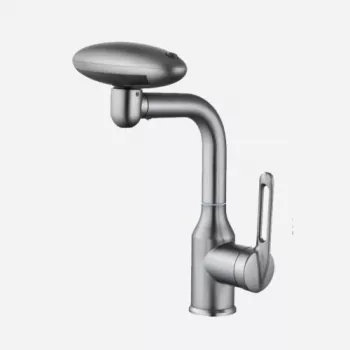
For more details on corrosion-resistant hardware choices around plumbing fixtures, see this stainless steel bathroom faucet buying guide.
It depends on the environment: coated structural screws work well for general outdoor projects, while 316 stainless is often preferred near saltwater. In pressure-treated lumber, choose fasteners specifically rated for the wood’s chemical treatment.









Leave a comment